
CRG Seminar: ‘Mhuka dzinenge vanhu’, (Animals are like people): Animals, people, and the politics of coexistence in Kanyemba
Primary tabs
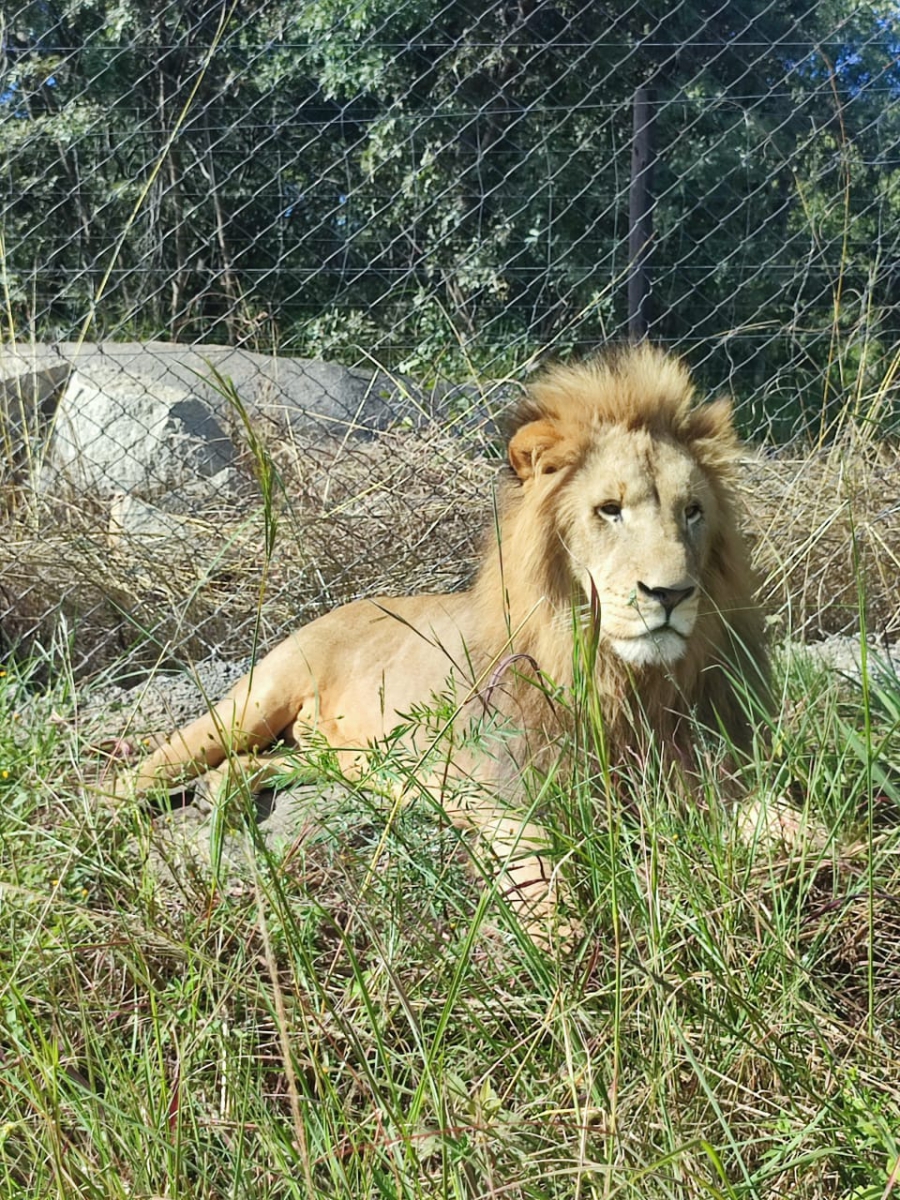
What does it mean for humans to live alongside elephants, buffalo, lions, and hippos when leaving is not an option? In Kanyemba, northern Zimbabwe, animals live alongside people. This is not a choice. It is kugarisana, which means living together but also enduring together when there is no way out. Drawing on interviews and participant observation, this paper asks what coexistence looks like when neither people nor animals can leave. It finds that habituation works both ways, animals learn that guns no longer kill, and people learn to read false charges. Tolerance is not willingness but coercion, where people absorb losses because killing an animal means arrest. The tolerable limit is only reached when suffering becomes collective, not individual. Avoidance shapes everyday movement, but on the Zambezi River, canoe operators communicate with hippos, signalling a fragile interspecies convention born of enforced proximity. The paper argues that kugarisana extends coexistence discourse by holding compulsion and accommodation in the same breath. It offers three concepts: coerced tolerance, collective threshold, and communicative proximity. Coexistence in Kanyemba is understood as kugarisana, a condition inherited, negotiated, and endured across species lines.
This seminar is given by Neil Maheve and organised by the Collaborative Research Group Trans-species perspectives on African Studies. This event will take place in person in Leiden and will be followed by the CRG Seminar: Between ‘Community’ and ‘Custom’: Mining, Land, and Distributional Conflict in Rural South Africa.
Speaker
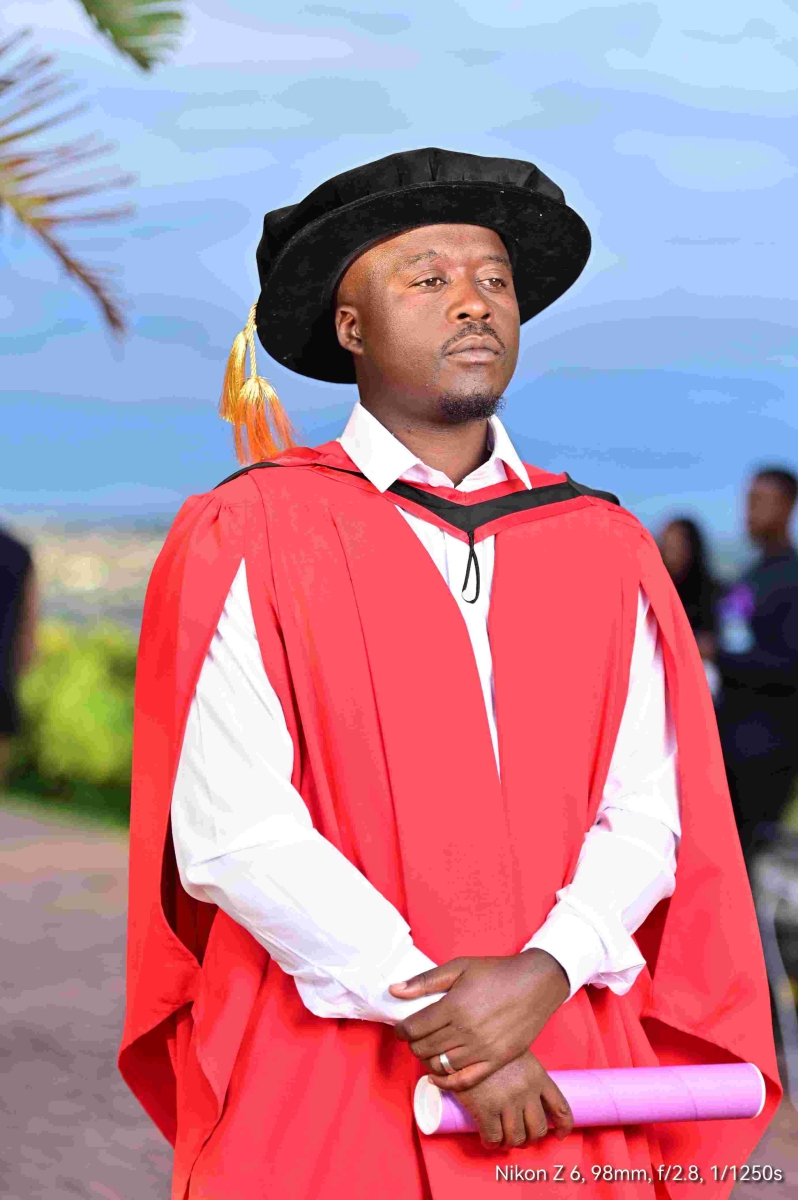
Neil B. Maheve is a Zimbabwean political scientist, historian and storyteller, engaging with development narratives in marginal rural Zimbabwe communities. He is a Thomas Sankara Global Partnership Network Fellow. He holds a PhD in Political and International Studies from Rhodes University. His research interests include but are not limited to development politics, human-wildlife interaction, natural resource conservation, youthhood and waithood in marginal areas, Sino-African relations, and the histories of marginalised groups. He is interested in co-creating knowledge with local communities on animal and natural resources. Concurrently, he examines how women's access to land affects their power and influence, thereby contributing to a deeper understanding of equitable development. His work is grounded in post-development thinking and explores alternatives to conventional understandings of development, with a particular focus on everyday practices and ways of living.
Date, time and location
25 June 2026
13.00 - 15.00
Herta Mohr Building / Faculty of Humanities, Witte Singel 27a, 2311 BG Leiden
Room 0.31
Registration
Posted on 8 June 2026, last modified on 12 June 2026