
CRG Seminar: Chickens to the rescue? Poultry production and antimicrobial resistance in Zanzibar
Primary tabs
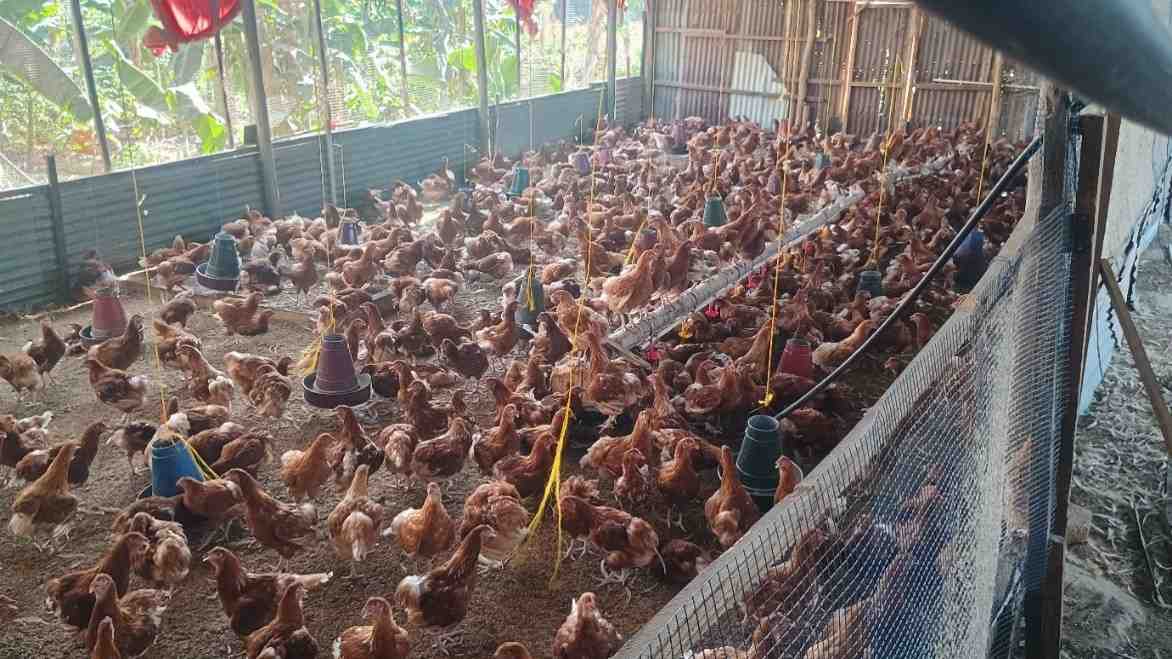 In Zanzibar as across other African settings, rapidly rising production of chickens is framed as a solution to challenges such as food and protein insecurity, rapid population growth and urbanization, or income generating opportunities. However, the industrial production models underlying this expansion relies on antimicrobial medicines such as antibiotics, to suppress and treat infections and to lower production costs and increase profitability. Largely similar to antimicrobials used for treating humans, this model of producing chickens (and other animals for that matter) contributes to spreading antimicrobial drug resistance (AMR)s, especially when regulation and enforcement are weak.
In this talk, Gerrets presents some preliminary findings from ethnographic research of the chicken sector in Zanzibar, zooming in on colistin. Recategorized as a ‘reserve antibiotic’ by the World Health Organization - with the aim of prolonging its therapeutic usefulness for humans – colistin used in Zanzibar is mainly imported from Dutch companies. However, the Netherlands – and the EU at large – strictly limits the veterinary usage of this antibiotic, as does China, where most producers of active pharmaceutical ingredients (API) are based. Through this case, this paper aims to raise questions about the international trade in and governance of antibiotics, longer-terms effects of ‘not-in-my-backyard’ (nimby) type decision-making, also for the industrial models of chicken production that are central to goals to improve nutrition and protein deficiencies.
This seminar is given by René Gerrets and organised by the Collaborative Research Group Planetary Health in and from Africa.
This event will take place in person in Leiden. For registrants who cannot travel to Leiden, a link to an online platform will be sent before the start of the event.
Speaker
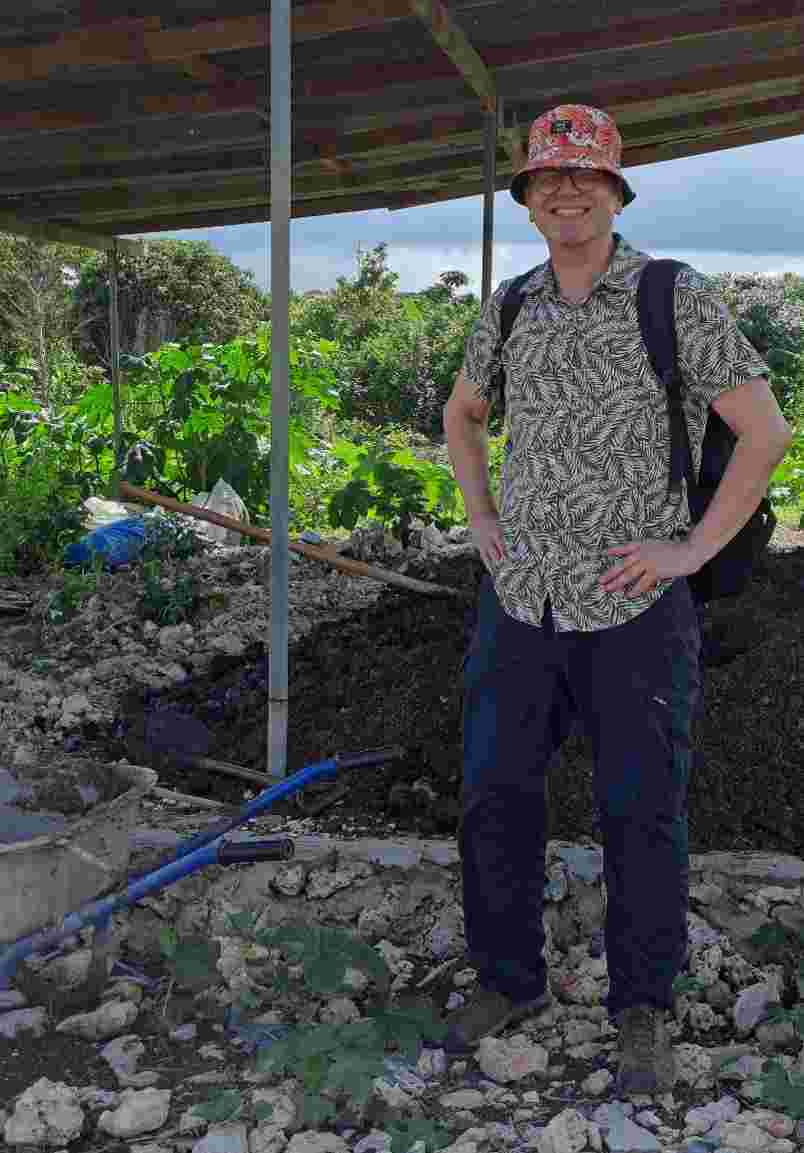
René Gerrets is associate professor in the Department of Anthropology, University of Amsterdam and senior fellow at the Amsterdam Institute for Global Health and Development. Gerrets’ PhD (Social Anthropology, New York University) investigated 'partnership' as both a dominant ideology and organizational model in global health, drawing on ethnographic fieldwork conducted among a US Centers for Disease Control-directed malaria drug trial in rural Tanzania. In subsequent research, also anchored in Tanzania, Gerrets examined the contemporary traces of colonial-era biomedical interventions, and the intersections of ‘fake-talk’, (mis)trust and suspicion involving pharmaceuticals and other commodities. His current project explores relations between upscaling of poultry production and resistance to (last-resort) antibiotics in Zanzibar.
Date, time and location
24 November 2026
13.00 - 14.30
Herta Mohr Building / Faculty of Humanities, Witte Singel 27a, 2311 BG Leiden
0.31
Registration
Posted on 5 November 2026, last modified on 5 November 2026