
Workshop report: Green Hydrogen South-South Dialogue from Below
 On 2–3 March, the 'Green Hydrogen South–South Dialogue from Below' took place in Windhoek, Namibia, organised by the ASCL's Postdoctoral Researcher Eric Cezne. For the first time, this event brought together hydrogen‑affected community representatives, indigenous leaders, and civil society organisations from Namibia, South Africa, Brazil, Chile, and Colombia.
The dialogues created space to examine how diverse lived experiences (actual or anticipated) with green hydrogen across the Global South relate to, diverge from, or illuminate one another. Participants also explored possibilities for bottom‑up South–South interactions, contestations, and solidarities around hydrogen and other so‑called 'green' energies.
So what were the key insights?
1) What is green hydrogen?
Beyond the familiar narrative of hydrogen as the technical conversion of water and renewable energy into exportable molecules, discussions highlighted the deeply relational dimensions of green hydrogen - ranging from perceptions of plunder and violations of Mother Earth to hopes for employment and sovereign green industrialisation.
 2) Civil society is not a monolith
The diversity of 'civil societies' represented was evident in their thematic priorities (legal justice, labour rights, indigenous livelihoods) and modes of engagement (alliance‑building, scholar‑activism, organised demonstrations). Approaches spanned from anti‑capitalist resistance to constructive engagement with industry and government.
3) Energy transition?
Across contexts, hydrogen developments were shown to be entangled with 'old' and 'new' extractivisms - whether Namibia’s simultaneous oil and gas boom, hydrogen‑powered mining trucks in South Africa, or Brazil’s co‑location of hydrogen projects with coal‑fired power plants.
4) After the rush
As green hydrogen enters a post‑hype phase - with projects paused, delayed, or cancelled - critical questions arise: What becomes of civil society alliances and struggles? What are the implications of an industry that may never materialise as promised? How can grassroots actors continue to monitor, contest, and shape these developments?
Acknowledgements
Gratitude is extended to the Leiden‑Delft‑Erasmus (LDE) Universities Global Fund for making the event possible, to the INCLUDE Knowledge Platform for sponsorship and communications support, and to Prof. Sarala Krishnamurthy at Namibia University of Science and Technology (NUST) for co‑hosting and providing logistical assistance.
Photos
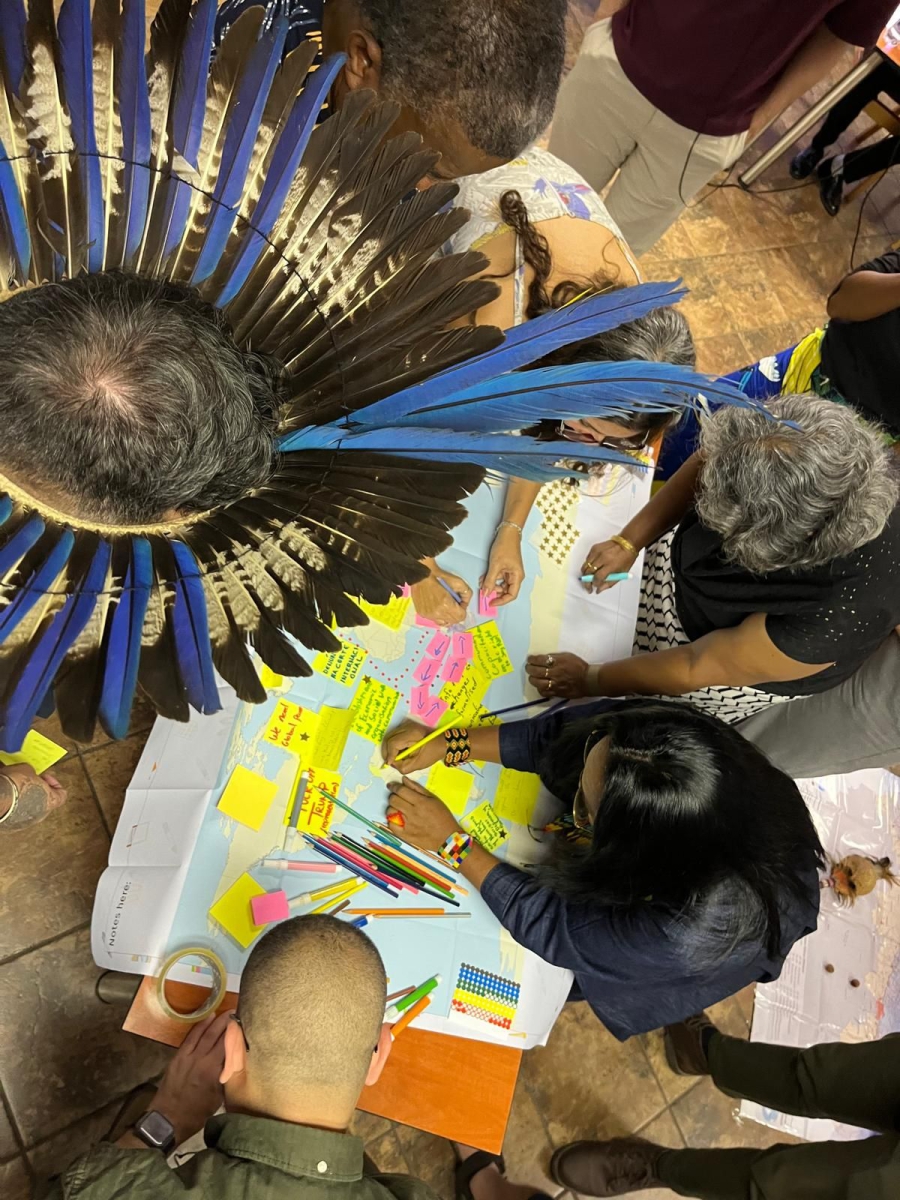
Top photo: Interactive session for devising transnational alliances and solidarities ‘from below’ in green hydrogen (Credit: Eric Cezne).
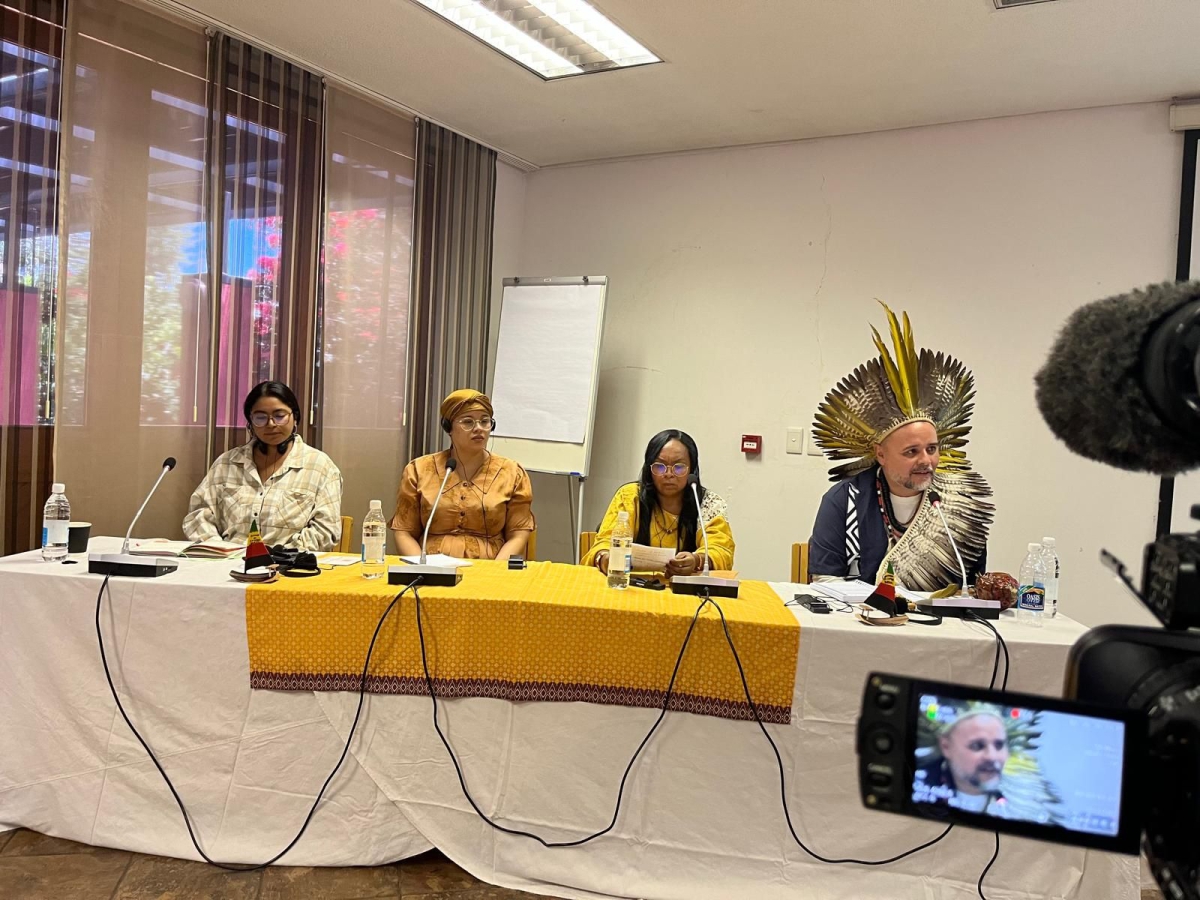
Lower photo: Roundtable discussion on indigenous and traditional populations in green hydrogen. From left to right: Paulina Hidalgo (Tanti Foundation, Chile); Louivenzia Komases (Nama Traditional Leaders Association Youth Forum, Namibia); Jazmín Romero Epiayú (Feminist Movement of Wayuu Women and Girls, Colombia); Paulo Anacé (Anacé Indigenous People, Brazil). (Credit: Martin Gruber).
Posted on 17 March 2026, last modified on 4 June 2026