Full text, catalogue, and publisher website
Publisher website:


 Following the dismantling of USAID (United States Agency for International Development) in early 2025, this article draws on ethnographic fieldwork with government officials in Lilongwe and NGO staff in Malawi's southern districts to examine how aid cuts reshape disaster governance. The analysis demonstrates that reducing donor resources strains not only collaboration between state and non-state actors but also state-citizen relationships, as promises go unfulfilled and blame falls on local actors regardless of where decisions originate. While the aid sector now focuses on advocacy and alternative donors, the article argues that meaningful localisation requires shifting decision-making power, not just resources, to local actors such as government officials. Only then can the aid sector take responsibility for how it has shaped disaster governance in Malawi.
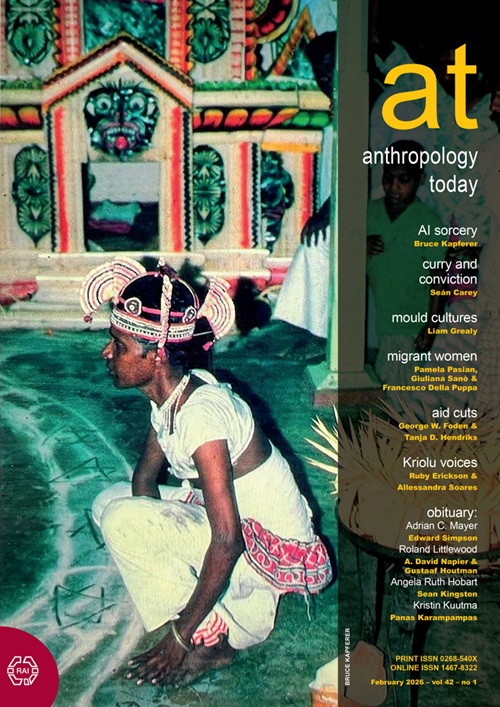
This article was published in Anthropology Today, Volume 42, Issue1, February 2026.